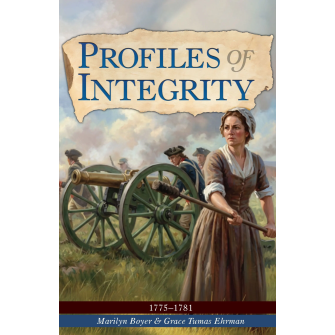
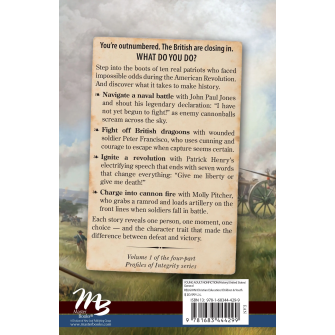
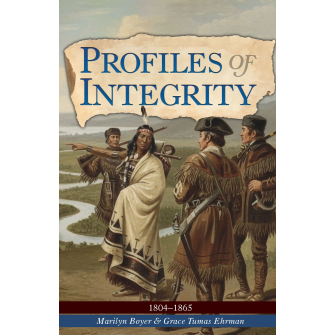
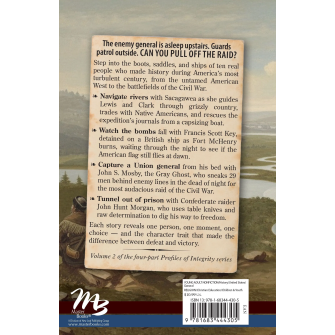
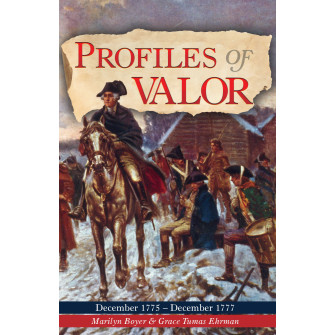
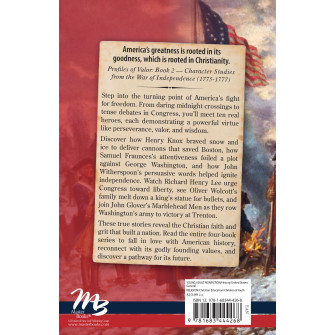
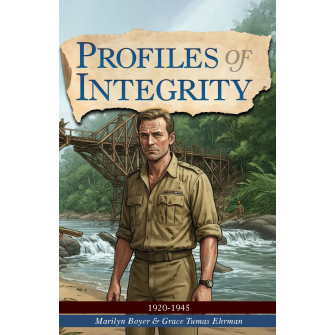
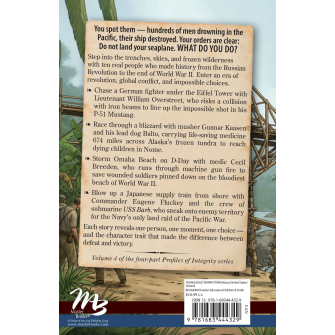
What is thoroughness? How does someone show self-control? What does it mean to be meek, loyal, or compassionate? When it comes to understanding and developing character traits, biographical stories are a powerful tool.
Powerful not only because they so effectively illustrate virtues but also because your young reader doesn't feel preached at.
These 10 stories are engrossing!
- Instead of being told, "You should be thorough," they will read about Booker T. Washington who cleaned a recitation room so meticulously that it secured his entry into Hampton Institute.
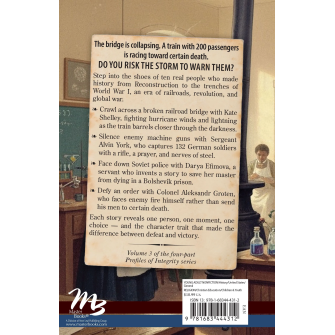
- Instead of hearing that courage is an attractive virtue, they get consumed with the story of Colonel Aleksandr Groten who defied a direct order and exposed himself to enemy fire to save his men from certain death in a swamp.
- Instead of being admonished to be more compassionate, they see how during the Russian Revolution Gregory Burmistr gave his last pair of felt boots to a young girl suffering from the cold, despite being poor himself.
Packed with adventure, danger, and real historical drama, these books keep your students turning pages as they devour tales of daring escapes, life-threatening risks, wartime heroism, and sacrificial acts of kindness.
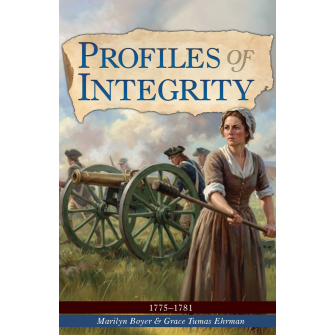
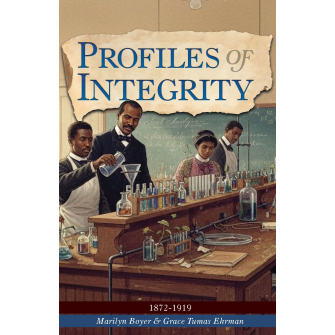
In ten biographical sketches, see how a figure from the late 1800s through World War I demonstrates a key virtue.
- Thoroughness ~ Booker T. Washington
- Contentment ~ Horatio Spafford
- Hospitality ~ Kate Gibson
- Self-Control ~ Kate Shelley
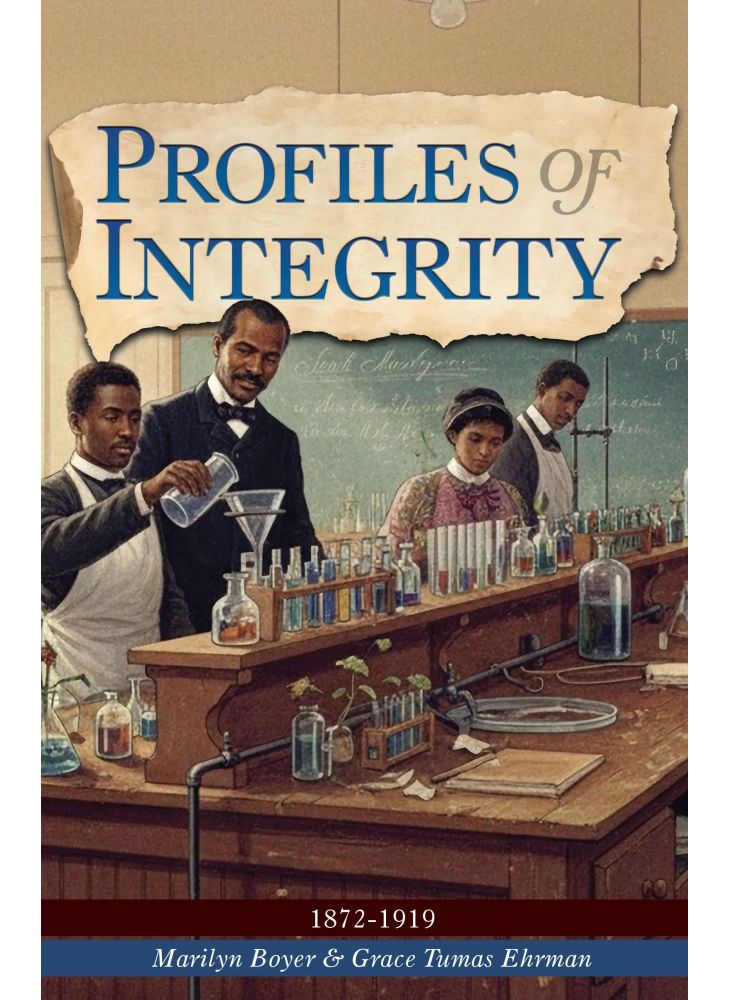
- Meekness ~ George Washington Carver
- Joyfulness ~ Lieutenant Armand Pinsard
- Courage ~ Colonel Aleksandr Groten
- Loyalty ~ Darya Efimova
- Obedience ~ Sergeant Alvin C. York
- Compassion ~ Gregory Burmistr
Relatable Emotions & Challenges: Each sketch puts readers in the shoes of people facing tough situations — death, imprisonment, poverty, discrimination, and triumph. Kids see themselves in these moments, not just as passive learners but as participants in the story.
Unexpected Heroes: Not all the heroes are famous or powerful. Some are teens, outsiders, or people who overcame huge obstacles. This makes the stories feel accessible and inspiring to kids who might not see themselves as perfect role models.
Interactive Questions: Each chapter ends with questions that invite readers to imagine themselves in the story, reflect on choices, and think about what they'd do. This reflection turns reading into a personal adventure, not just a history lesson.
Book Format
While the stories are ordered chronologically, each chapter can stand alone if desired. Each biographical sketch will take approximately 30 minutes to read aloud.
Each chapter is introduced with a definition of the virtue demonstrated and a relevant Bible memory verse. At the close of each story, comprehension questions help check for understanding while application questions foster discussion to bring the virtues into modern life.
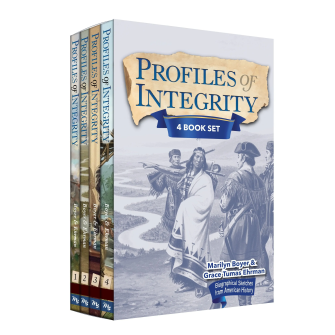
Read this volume and the entire four-book series to fall in love with history, find heroes to emulate, and develop godly character.

 Terms and Conditions of Use