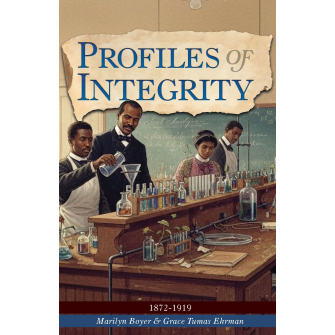
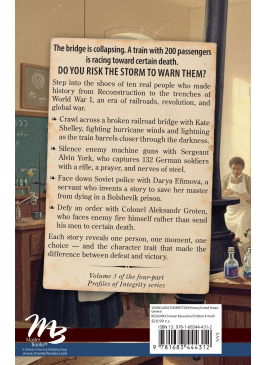
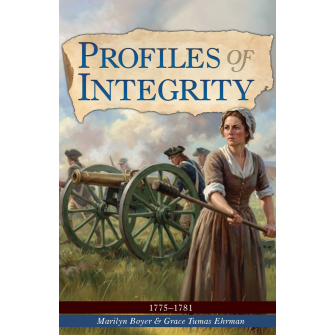
What is honor? How does someone show resourcefulness? What does it mean to be patient, forgiving, or brave? When it comes to understanding and developing character traits, biographical stories are a powerful tool.
Powerful not only because they so effectively illustrate virtues but also because your young reader doesn't feel preached at.
These 10 stories are engrossing!
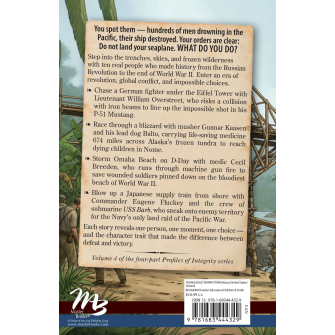
- Instead of being told, "You should be dependable," they will read about medic Cecil Breeden who unflinchingly administered medical care to wounded soldiers on Omaha Beach amidst heavy German fire on D-Day.
- Instead of hearing that forgiveness is an attractive virtue, they get consumed with the story of Jacob DeShazer who, after enduring harsh imprisonment and torture by the Japanese, found the capacity to forgive his captors and returned to Japan as a missionary.
- Instead of being admonished to be more discerning, they see how Commander Eugene Fluckey meticulously planned a daring mission to blow up a Japanese supply train, carefully selecting his crew to ensure the mission's success and his men's safety.
Packed with adventure, danger, and real historical drama, these books keep your students turning pages as they devour tales of daring rescues, sabotage missions, death-defying pursuits, and ultimate sacrifice.
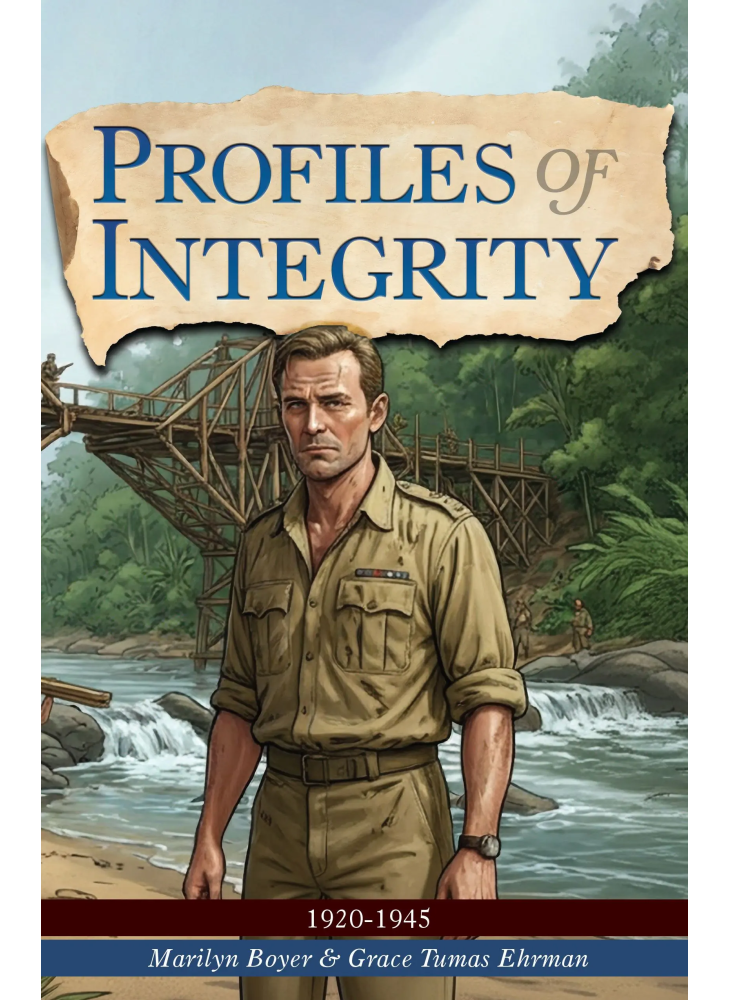
In ten biographical sketches, see how a figure from World War II and its aftermath demonstrates a key virtue.
- Honor ~ General Pyotr Wrangel
- Punctuality ~ Gunnar Kaasen
- Forgiveness ~ Jacob DeShazer
- Patience ~ Colonel Philip Toosey
- Resourcefulness ~ Lieutenant William Overstreet
- Dependability ~ Cecil Breeden
- Love ~ Captain Eddie Simpson
- Discernment ~ Commander Eugene Fluckey
- Deference ~ Lieutenant Adrian Marks
- Bravery ~ Dietrich Bonhoeffer
Relatable Emotions & Challenges: Each sketch puts readers in the shoes of people facing tough situations — death, hostility, imprisonment, and triumph. Kids see themselves in these moments, not just as passive learners but as participants in the story.
Unexpected Heroes: Along with obvious heroes like generals and leaders, the stories also include humbler roles like a musher, a medic, a pastor, and ordinary soldiers. This diversity shows that integrity can be demonstrated in any role or profession, especially in the face of extraordinary circumstances.
Interactive Questions: Each chapter ends with questions that invite readers to imagine themselves in the story, reflect on choices, and think about what they'd do. This reflection turns reading into a personal adventure, not just a history lesson.
Book Format
While the stories are ordered chronologically, each chapter can stand alone if desired. Each biographical sketch will take approximately 30 minutes to read aloud.
Each chapter is introduced with a definition of the virtue demonstrated and a relevant Bible memory verse. At the close of each story, comprehension questions help check for understanding while application questions foster discussion to bring the virtues into modern life.
Read this volume and the entire four-book series to fall in love with history, find heroes to emulate, and develop godly character.

 Terms and Conditions of Use

![Uncle Rick's Growing in Wisdom Stories [Audio download]](https://www.characterconcepts.com/1047-home_default/uncle-rick-s-growing-in-wisdom-stories-digital-audio.jpg)
![The Boy from the Ranch [Audio download]](https://www.characterconcepts.com/1375-home_default/the-boy-from-the-ranch-audio-download-.jpg)
![Character Qualities to Teach our Children [Downloadable]](https://www.characterconcepts.com/403-home_default/character-qualities-to-teach-our-children.jpg)